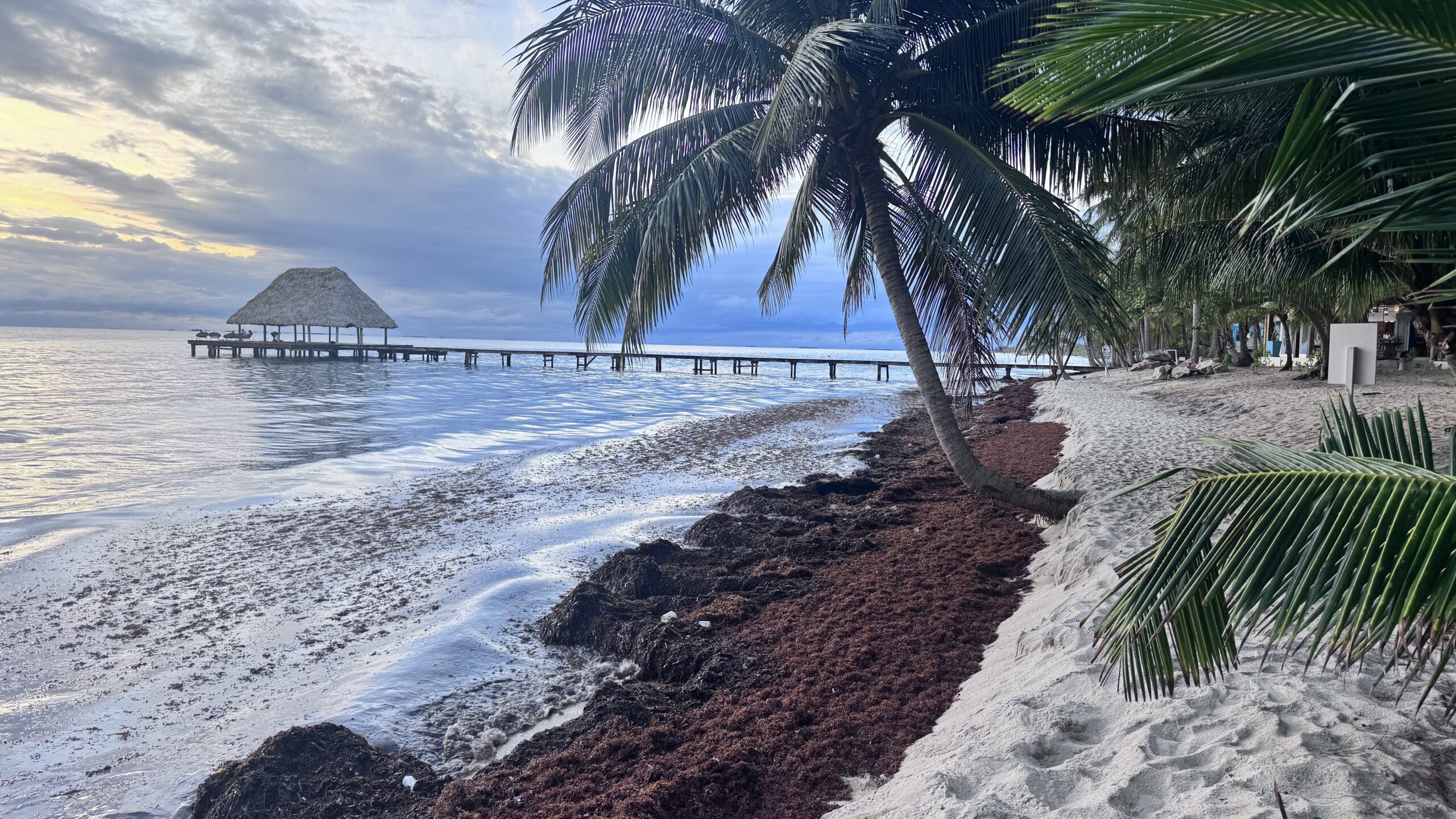
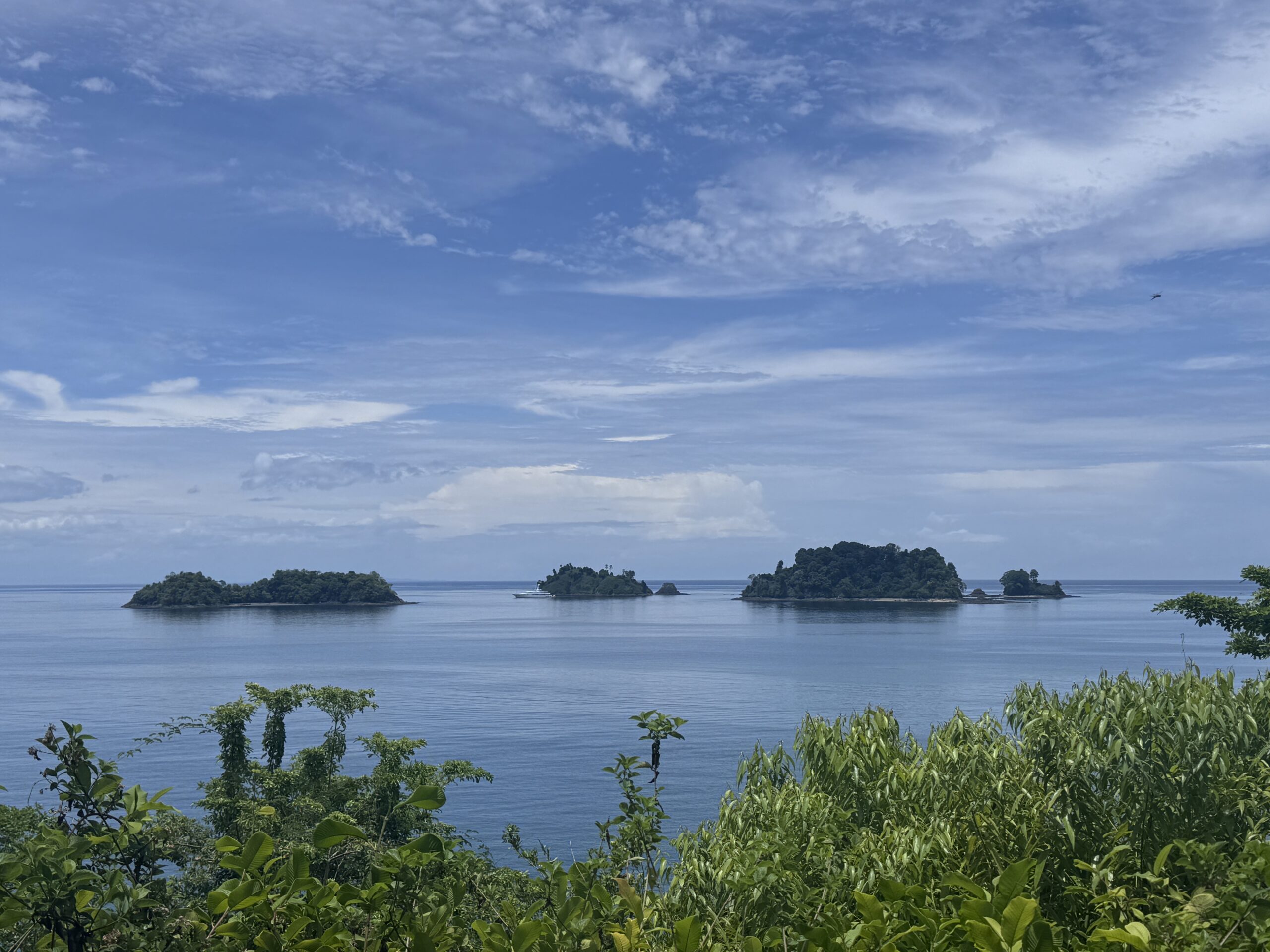
The ocean has been quietly performing a heroic role in the fight against climate change. It is not just about absorbing heat and buffering against extreme weather events; it is also silently locking away carbon in some of the most efficient natural “climate vaults” on the planet: coastal and marine ecosystems, especially mangroves, salt marshes, and seagrass meadows, which store large shares of carbon belowground in waterlogged sediments, where it can remain for decades to centuries if left undisturbed (NOAA, 2024).
From the practitioner’s lens, the case for blue carbon is not just “carbon accounting”; it’s risk reduction with a measurable climate and biodiversity outcome.
Charles Campbell, UK-based Sustainability and Climate Mitigation expert, cuts to the chase: Blue carbon projects can deliver mitigation and adaptation benefits highly relevant to coastal states: stabilizing shorelines, supporting fisheries, improving water quality, and reducing disaster risk. Recent synthesis work on coastal protection is also sharpening what we can credibly claim: for example, a global analysis of mangrove wave attenuation finds that where mangrove forests are >500 m wide, around 75% or more of incoming wave energy can be dissipated—though outcomes vary with water level, forest density, and coastal configuration (van Wesenbeeck et al., 2025). That variability matters: what “works” in a deltaic mangrove system will not map neatly onto a steep island coastline. Successful projects are tailored to site-specific ecology and risk, not generic templates.
As noted by Alecia Bennet-Bryan, Monitoring, Evaluation, and Learning expert, baseline data from the perspective of results-based management in hand, amplifies the urgency: research has shown that coastal wetlands vanish at a rate of 1–3% yearly, unleashing vast reserves of carbon, yet they pack several times more sequestration punch per hectare than terrestrial forests. “Protecting and restoring these ecosystems avoids emissions from disturbance and increases long-term sequestration,” she explains, now enshrined in IPCC (Intergovernmental Panel on Climate Change) guidance. Adaptation shines too: mangroves attenuate waves and surges, averting tens of billions in annual damages; they also sustain life above and below the surface. Mangroves and seagrass meadows act as nursery habitats that support biodiversity and the fisheries and livelihoods on which many coastal communities depend, even as fish stocks continue to decline globally. In the Caribbean, where SIDS (Small Island Developing States) face existential storms, these habitats eclipse upland forests in carbon density- “monetizable potential” for finance schemes that plug restoration gaps while fortifying communities against coastal erosion and sea level rise.
But, across the world, coastal ecosystems remain under heavy pressure from coastal development, pollution, hydrological disruption, and warming seas. The result is not only biodiversity loss; it’s risk amplification: degraded coasts are more exposed to erosion, storm surge, and livelihood decline.
Why the urgency now? When these ecosystems are degraded, we do not just lose biodiversity and coastal protection; we also risk releasing stored carbon again. And the warning lights are already flashing: global mangrove extent declined by an estimated 3.4% between 1996 and 2020 (Bunting et al., 2022), salt marshes show a net global loss from 2000–2019 (Campbell et al., 2022), and global seagrass coverage has decreased by roughly ~29% since the mid-1700s (Capistrant-Fossa et al., 2024). In other words: protecting and restoring blue carbon is simultaneously climate mitigation, climate adaptation, and a livelihoods strategy. This means that, if we do it right, we enhance the climate resilience of coastal communities and ensure ecosystem services.
In this regard, Dr. C. Isabel Núñez Lendo reminds us about the connectivity between ecosystems. Blue carbon ecosystems—mangroves, salt marshes, and seagrass meadows—function as vital connectors within the broader ridge-to-reef continuum, making their restoration essential not only for carbon sequestration but for the health of entire coastal landscapes. These vegetated coastal habitats act as natural filters and nutrient regulators, trapping sediments and excess nutrients from terrestrial runoff before they reach offshore environments. When mangroves and salt marshes are restored, they stabilize coastlines and reduce sediment loads that would otherwise smother coral reefs and intertidal communities. Seagrass meadows also play a critical role in trapping sediment and, in turn, improving water clarity while providing critical nursery habitat for species that migrate between ecosystems as they mature, including commercial fish. This connectivity means that the benefits cascade outward: healthy blue carbon ecosystems support thriving coral reefs by maintaining water quality, reinforce beach and dune systems by dampening wave energy and trapping sediment, and sustain the nutrient cycling that underpins productivity across marine and terrestrial boundaries. The ridge-to-reef approach recognizes that these systems cannot be managed in isolation—restoring one strengthens the resilience of all, creating a networked defense against climate impacts while supporting the biodiversity and coastal communities that depend on these interconnected habitats.
Across the Caribbean and other Small Island States, blue carbon initiatives are highly feasible and potentially transformative, offering significant climate mitigation, resilience, and economic benefits due to the region’s dense mangrove and seagrass carbon stocks (not to mention the potential use of excessive Sargassum seaweed arriving on the shorelines or direct seaweed aquaculture or farming, according to Dr. Núñez). Yet their full implementation is constrained by gaps in policy integration, baseline data, technical capacity, financing mechanisms, and the disconnection between steward communities and the corporate world, which must be strengthened to unlock their true potential.
This blog draws from frontline experience across the Caribbean, Latin America, and beyond to reflect on some of the key factors that are often overlooked and that separate blue carbon projects that flourish from those that fade.


Blue carbon’s promise hinges on those who know these shores best, yet too often, it lands like an uninvited guest.
Dr. Laura Canevari, Climate Adaptation Specialist for vulnerable coastal communities, knows the disconnect intimately: “Coastal communities do not wake up thinking about carbon; they think about fish, storms, debts, children, and land rights.” Blue carbon arrives as foreign jargon, reinforcing distance—”as something for governments and consultants, as ‘yet another project’ with strings attached, like restrictions or enclosures.” Tenure fog only deepens fears of lost control. If tenure and use rights are unclear—or if decision-making sits outside the community—blue carbon can trigger legitimate fears of “green grabbing,” enclosure, or benefit capture. The antidote is practical, not rhetorical: start with rights and roles, co-define what will be protected or restored, and set out transparent rules for access, enforcement, and benefit sharing before a project ever markets itself as “blue carbon.” This is especially critical in small coastal economies, where blue carbon ecosystems can represent nationally significant carbon stocks relative to land area (Friess, 2023).
“Trust is key to these long-term relationships,” Dr. Núñez emphasizes. Trust-building ideally begins before any project proposal is written—either through active engagement with the community to develop a genuine understanding, or through word-of-mouth recommendations from someone who has previously collaborated with both parties (Young et al., 2016). However, establishing trust at the outset is only the beginning; sustaining that trust and demonstrating genuine care throughout the project’s duration—and beyond—is what matters most. While setting clear expectations and defining roles from the start is crucial, these agreements must be revisited regularly. Both the project itself and the people involved will inevitably evolve personally and professionally throughout this extended process, making ongoing dialogue essential.
Charles echoes this reflection by noting how communities often intuitively understand the co-benefits, but may also see the trade-offs more clearly than outsiders do. A mangrove restoration area that improves nursery habitat can still be perceived as a threat if it constrains landing sites, changes fishing practices, or redirects tourism revenue. The project’s job is to reduce this uncertainty: make benefits concrete, near-term, and tangible; reduce hidden costs; and ensure local people are not asked to bear the risk while others harvest rewards.
A practical way forward, according to Dr Canevari, is to anchor design in existing livelihoods: given what you already do and value, how can restoration and blue carbon support and de-risk those activities? That leads naturally into co-created incentives—cash and non-cash—such as safer landing infrastructure, mangrove-friendly fisheries plans, paid community monitoring, training pathways, or restoration contracts that build local enterprise. It also keeps the “carbon story” honest: carbon is the measurable climate layer, but day-to-day legitimacy is earned through livelihood fit, procedural fairness, and shared governance. Additionally, engagement incentives are most effective when they combine economic measures (value-chain investments, revenue channeled to community funds, scholarships, and grants), governance mechanisms (tenure security, co-management arrangements, and seats at decision-making tables), and educational approaches (coastal classrooms and citizen-science initiatives that connect youth with both scientific and traditional knowledge).
Moreover, treat participation as more than consultation. The fastest way to lose trust is to invite community input after plans for the intervention have been made. Co-design means communities contribute to defining: where restoration happens, what activities change, who monitors, who gets paid, how conflicts are resolved, and how benefits are reinvested locally. Dr. Núñez emphasizes that the specificities of the community contributions are intimately linked to their culture and cosmovision, and thus, tailoring design to this context is key for sustaining success in the long term.
When that shift happens, everything accelerates: monitoring becomes smarter, enforcement becomes lighter, and restoration becomes more resilient to shocks. Done well, communities shift from cautious observers to empowered and skilled stewards—producing locally grounded monitoring insights that complement satellite observations and strengthen long-term compliance. The “social system” becomes part of the project’s detection and response capacity, which is exactly what you want in dynamic coastal landscapes.
Blue carbon’s magic is often hidden below the surface, easy to overlook in a sea of climate jargon. That makes communication a core delivery function, not an add-on: if people can’t see what’s being protected, they won’t defend it politically, fund it reliably, or steward it locally. Strong communication turns “technical wetlands work” into a story of safety, food, identity, and future coastlines.
Karla Gutierrez, Science Communication specialist, spies the spark: Science communication is most persuasive when it connects global urgency to local meaning. The most effective blue carbon narratives avoid jargon (“additionality,” “MRV” or Monitoring, Reporting, and Verification) and instead lead with lived realities: storm impacts avoided, fisheries returning, children learning in mangrove classrooms, community monitors becoming technicians. Then we layer the science in—clearly and credibly—using what the evidence can support (e.g., high sequestration relative to many terrestrial systems; measurable coastal protection benefits under specific conditions) and being explicit about uncertainty where it exists (NOAA, 2024; van Wesenbeeck et al., 2025). The result is not marketing—it’s public understanding, which is what creates durable momentum.
There is also a strategic audience question: are we speaking only to carbon buyers and climate insiders, or to coastal ministries, mayors, fisher organizations, schools, and local media? Blue carbon will scale faster when its story is told as national development infrastructure—a practical pathway to protecting coastlines, stabilizing local economies, and meeting climate commitments. That framing is increasingly aligned with how ocean outcomes were debated after COP30, where the ocean’s role was elevated—but delivery expectations also tightened (Ocean & Climate Platform, 2025).

Kickstarting a blue carbon project is still hard; coastal ecology is complex, financing is fragmented, trust in partnership takes time, increased community disengagement and demotivation from past experiences, and non-standardized methodologies continue to evolve. But the direction of travel is clear: data is improving, blue carbon standards are actively updating their rules to reflect new science and technology, and the policy window remains open as countries look for solutions that deliver across multiple agendas. The new baseline for “good” projects is also rising: credible additionality, conservative accounting, transparent benefit sharing, and monitoring systems that communities recognize as fair.
Scoping research has shown that blue carbon presents a highly promising yet unevenly realized opportunity for Caribbean SIDS, with strong feasibility rooted in the region’s extensive mangrove and seagrass ecosystems, which store exceptionally high carbon densities and can meaningfully offset national emissions even at small scales. Scientific assessments show that Small Island States collectively hold 1,806–2,892 teragrams of blue carbon, and in several cases, mangroves alone could offset more than 10 percent of land-use emissions, highlighting strong mitigation potential when supported by protection or restoration actions (Friess, 2023). Regional analysis by the United Nations Development Programme further underscores that Caribbean countries already depend heavily on marine ecosystems for livelihoods and coastal protection, making blue carbon investments doubly beneficial for resilience and economic sustainability. However, feasibility depends on closing critical gaps in governance coordination, MRV capacity, legal frameworks, and long-term financing—including emerging instruments like blue bonds and carbon markets. With strengthened institutions, clear policy targets, and sustained technical support, blue carbon is both a feasible and strategically impactful pathway for Caribbean SIDS to advance climate mitigation, adaptation, and blue economy goals (Nunez, 2023).
Across our combined experience, the success recipe is surprisingly consistent: robust science, place-based design, community legitimacy, and communication that builds public will. When these ingredients are present, blue carbon stops being a niche climate instrument and becomes what it should be: a practical way to protect coastlines and livelihoods while keeping carbon locked away. And as new COP30 signals showed, the world is watching more closely for solutions that can translate ambition into implementation—especially in coastal and island contexts (Carbon Brief, 2025; WRI, 2025).
The tide is turning on blue carbon—but scale will only come with integrity. When we understand that everything is connected, and that communities are part of the ecosystem itself—not separate from it—we recognize that their actions inevitably shape the environment. This understanding makes it clear why blue carbon can become one of the few climate strategies that is simultaneously measurable, protective, and deeply human: because it honors these connections rather than treating nature and people as separate entities to be managed.”
https://doi.org/10.1038/s41586-022-05355-z
https://doi.org/10.1038/s43247-024-01236-7
https://www.carbonbrief.org/cop30-key-outcomes-agreed-at-the-un-climate-talks-in-belem/
https://doi.org/10.1016/j.cosust.2023.101324
https://climatepromise.undp.org/news-and-stories/harnessing-blue-economy-more-ambitious-climate-action-caribbean
https://www.wri.org/insights/cop30-outcomes-next-steps
https://www.sciencedirect.com/science/article/abs/pii/S0006320715302093
https://ocean-climate.org/en/cop30-wins-losses-and-what-comes-next-for-the-ocean/
ITACA Solutions is a technical services provider focused on implementing climate adaptation in coastal areas in the Caribbean. Sign up to our mailing list to receive our newsletter with updates about our work, publications, activities and events.
Get the latest insights, resources, and updates on climate adaptation across the Caribbean, delivered to your inbox.