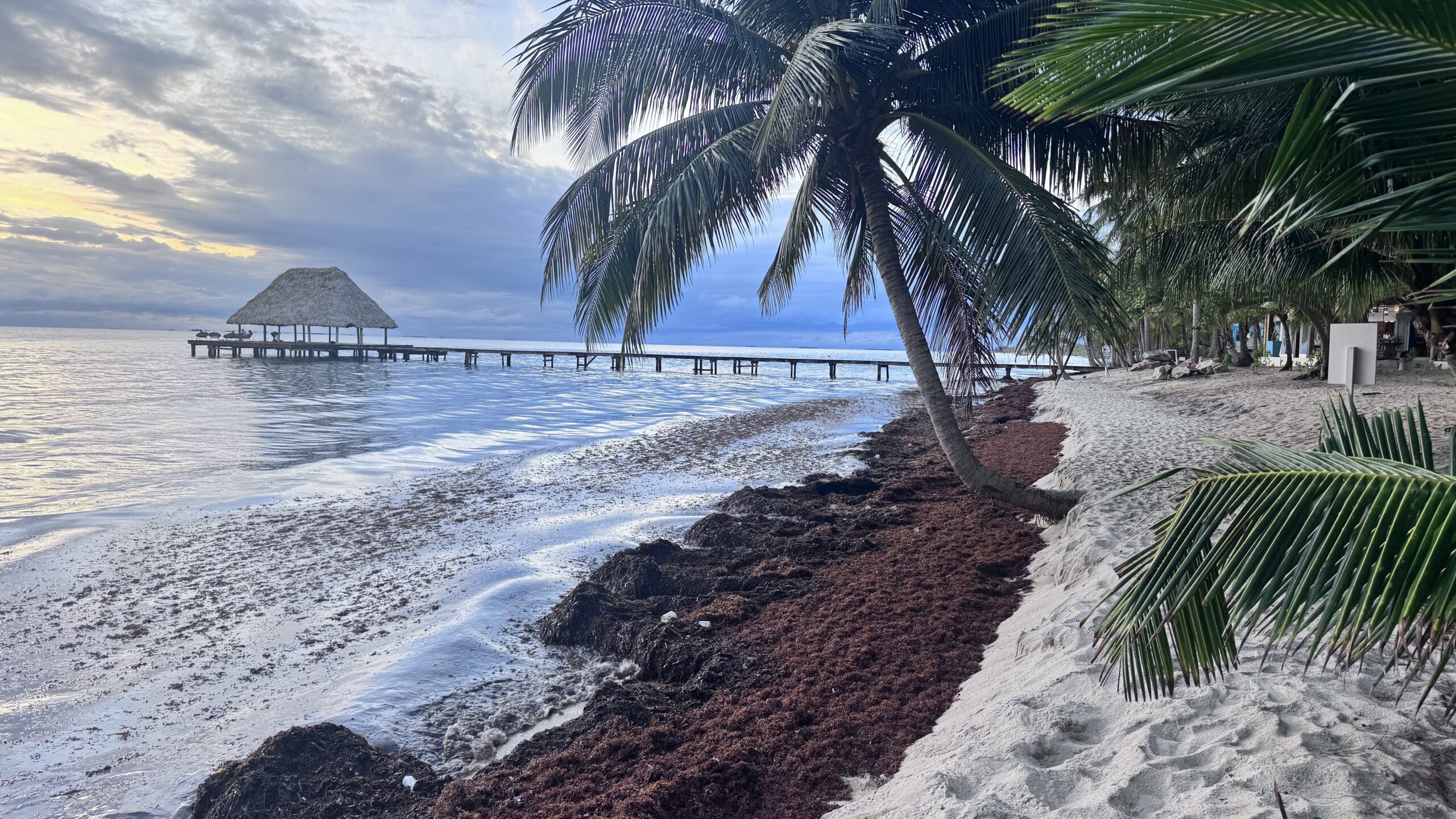
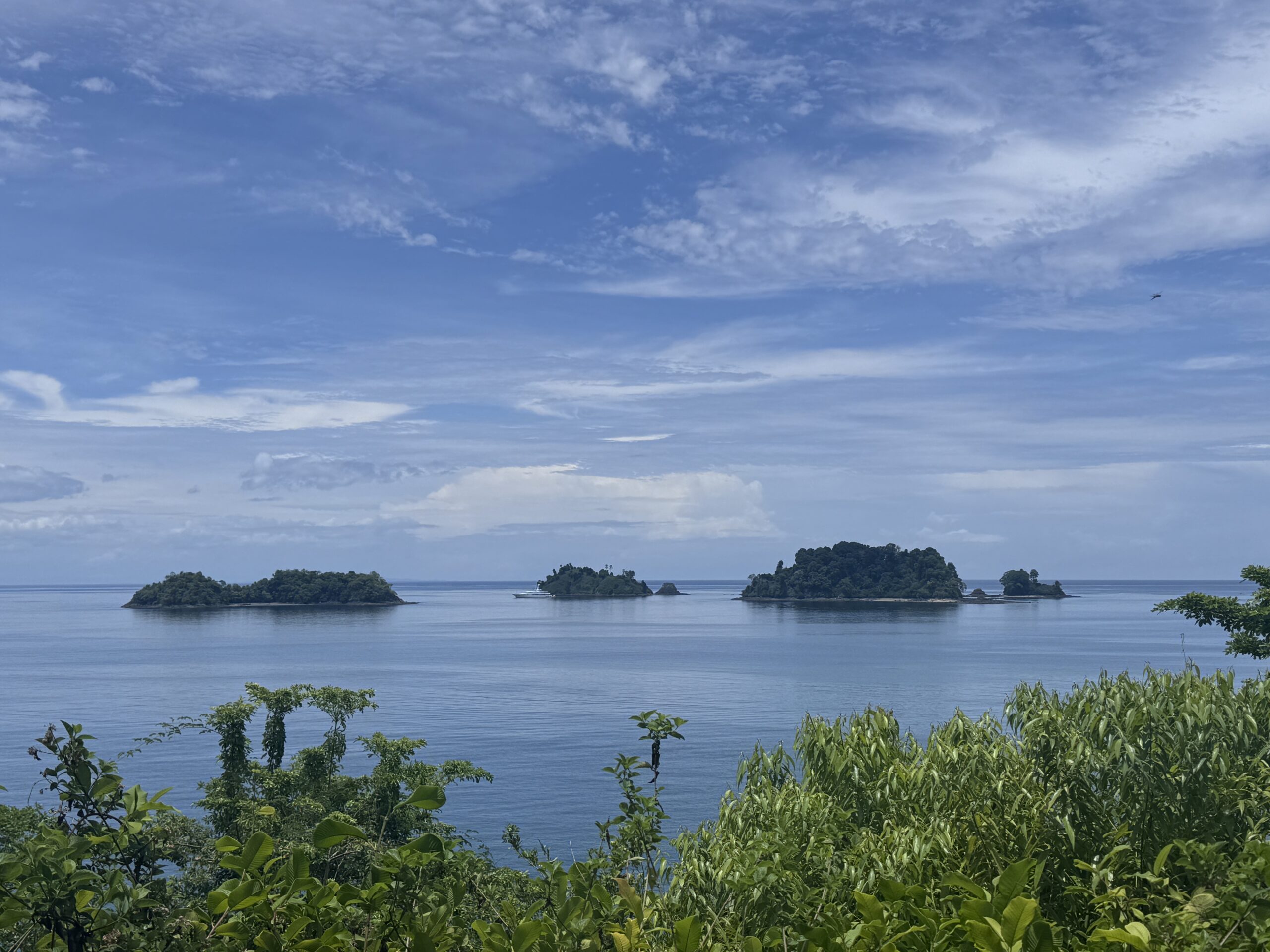
Coastal adaptation rarely fails because there is a shortage of possible solutions. More often, the challenge lies in understanding which solution makes sense, in which place, for whom, and how it needs to evolve over time.
This was one of the central messages emerging from Adaptación costera: aprendizajes del Caribe, a regional webinar bringing together practitioners and researchers working across Mexico, Cuba, Colombia, the Dominican Republic and the wider Caribbean and moderated by Laura Canevari from ITACA Solutions and Ricardo Sousa from PEERS.
The event brought together CARICOAST’s three host organizations — ITACA Solutions, PEERS and the Stockholm Environment Institute (SEI) — as part of their efforts to strengthen CARICOAST as an emerging community of practice for coastal climate resilience within weADAPT.
Three speakers approached coastal adaptation from different perspectives: Rodolfo Silva Casarín, from the National Autonomous University of Mexico (UNAM); Vladimir Caballero, a Cuban coastal engineer with decades of experience in beach recovery and management; and Lucía Alicero Villanueva, from SEI Latin America.
Despite their different starting points, their presentations and the discussion that followed converged around a powerful proposition: effective coastal adaptation is not about choosing between grey and green infrastructure. It is about understanding coastal systems well enough to intervene intelligently — and continuing to learn after the intervention begins.
Watch the webinar: Adaptación costera: aprendizajes del Caribe
The webinar brought together practitioners and researchers from across the Caribbean to discuss how coastal adaptation can respond to local conditions, ecosystem connections and changing risks.
Rodolfo Silva: Diagnose first, intervene second
Rodolfo Silva challenged one of the most persistent tendencies in coastal management: beginning with a preferred solution rather than with a sufficiently deep understanding of the problem.
Coastal systems operate under multiple layers of uncertainty — physical, biological, social, and political. Adaptation therefore requires solutions that are tailored to place, collaborative in their decision-making and capable of changing as conditions evolve.
For Silva, the distinction between “green”, “grey”, “hard” and “soft” solutions can sometimes distract from the more important question: what functions does the coastal system need to recover or maintain?
Where ecological processes remain functional, conservation or natural recovery may be sufficient. More degraded systems may require ecological rehabilitation or assisted solutions. In heavily transformed environments, engineering interventions — or even relocation — may become necessary.
His central message was therefore not that engineering should disappear, but that coastal systems should not be forced into fixed configurations. Instead, he argued for understanding coasts themselves as nature-based infrastructure, rather than as disposable spaces for development and consumption.
Vladimir Caballero: Varadero shows why adaptation is a long-term process
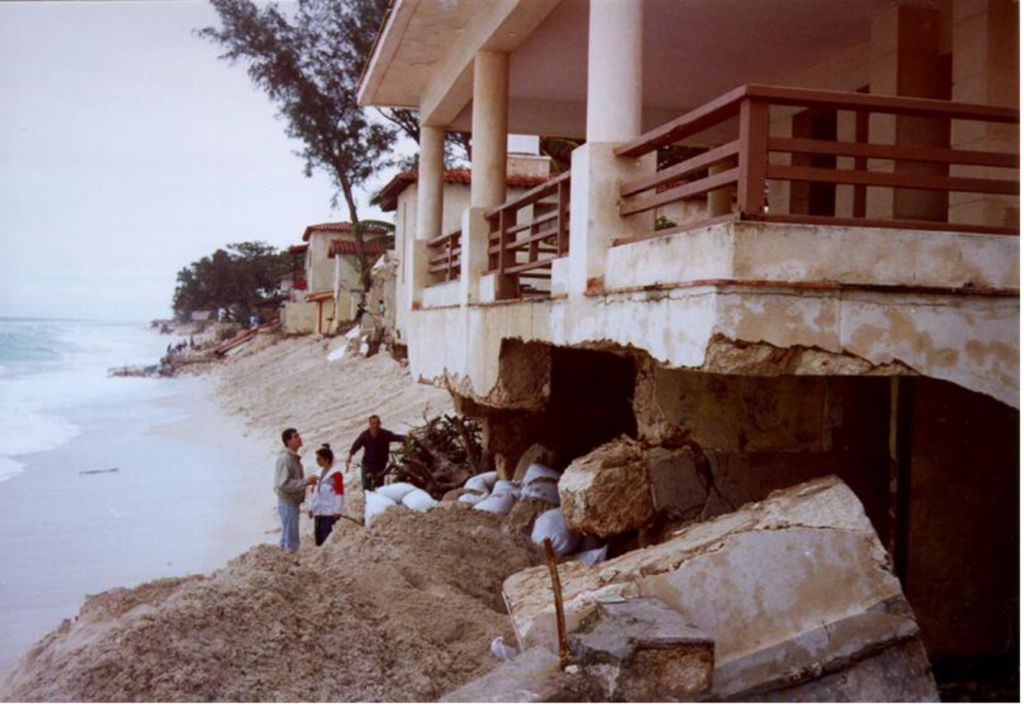
Vladimir Caballero brought this argument to life through several decades of experience managing beach erosion in Cuba, particularly at Varadero.
By the 1970s, Varadero was already experiencing significant erosion driven by multiple pressures, including construction on dunes, historical sand extraction, coastal structures interrupting sediment transport, sea-level rise and declining natural sediment supply.
Cuba’s response illustrates the importance of moving beyond isolated interventions. Research first sought to understand how the beach system functioned and what was causing erosion. Sand extraction was prohibited in 1982, and subsequent decades combined beach nourishment with monitoring, dune restoration, removal of inappropriate infrastructure, regulation and broader coastal management.
A major nourishment intervention in 1998 placed approximately 1.087 million m³ of sand, and ten years later the beach still retained around 69% of that material. Yet perhaps the more important lesson was what happened next: engineering gradually became one component within a much wider management system.
As Caballero explained, engineering alone does not solve coastal erosion. It must be accompanied by regulation, management, ecosystem restoration, monitoring, and adaptation. Since 2012, Varadero has not required another major beach nourishment intervention.
His experience led to a simple but important principle: every beach is “a tailored suit.” The purpose of intervention matters. Managing a tourism beach, protecting a coastal community, and defending urban infrastructure are fundamentally different problems requiring different combinations of knowledge and solutions.
Lucía Licero: From individual ecosystems to connected landscapes
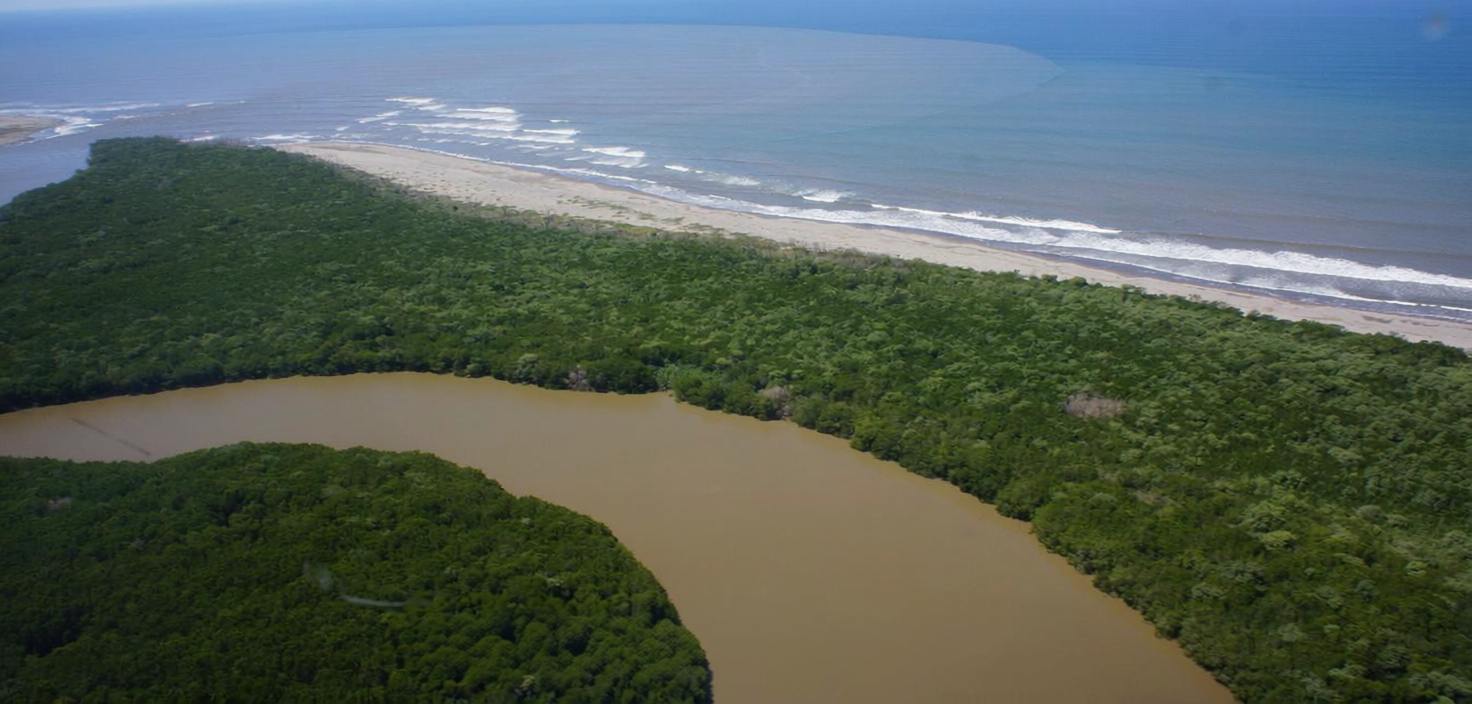
Lucía Licero expanded the conversation from individual beaches to entire coastal landscapes. Her central argument was that Caribbean ecosystems cannot be managed as isolated units. Watersheds, mangroves, seagrasses, and coral reefs are connected through water, sediment, nutrients, and species. Restoring one ecosystem while ignoring those connections may therefore fail to address the processes generating risk — or even create unintended consequences elsewhere.
SEI’s work through Living Labs in Cartagena (Colombia) and Montecristi (Dominican Republic), is testing a different model: bringing together science, communities, government and other actors to co-design, test, monitor and adjust interventions in real time.
Rather than treating adaptation as a finished infrastructure project, the Living Lab becomes a method for continuous experimentation and learning.
Lucía also raised questions that remain unresolved: How transferable is a successful intervention from one territory to another? Who decides which risks should be prioritized? How can locally manageable monitoring be reconciled with the technical evidence demanded by governments and investors? And ultimately, how can successful approaches attract sustainable financing and reach scale?
What the audience discussion added
The discussion with participants pushed several of these ideas further.
One important reflection concerns monitoring. Monitoring is often dismissed as an additional project cost. Silva challenged this framing: appropriate monitoring is precisely what allows scarce resources to be used more intelligently. The objective is not to “monitor everything”, but to collect the information necessary to understand whether an intervention is working and adjust it accordingly.
A second discussion focused on long-term community participation. Participants asked how meaningful engagement can continue when projects themselves are temporary. Lucía argued for moving beyond treating communities as beneficiaries or service providers and instead positioning them as partners in the project, supported by trusted local actors and social professionals. Rodolfo reinforced this point: local communities should ultimately be understood as the owners of the process, while researchers and practitioners work with — and often — them. Vladimir added that local knowledge is frequently where coastal diagnosis begins residents know how shorelines have changed, where flooding reaches and how ecosystems have evolved.
Finally, the discussion confronted one of adaptation’s most difficult questions: managed retreat. Cuba’s experience demonstrates that relocation can form part of coastal adaptation, but not as a simple technical decision. It requires legislation, long-term public engagement, alternatives for affected communities, and gradual implementation. As the discussion highlighted, existing tourism infrastructure and economic interests make retreat particularly difficult in many Caribbean destinations. The more immediate lesson may therefore be preventative: establish clearer coastal development limits today so that we do not continue creating tomorrow’s adaptation problems.
From projects to continuous coastal learning
Across the three presentations, five ideas repeatedly resurfaced: diagnosis, connectivity, monitoring, participation, and adaptation over time.
Together they suggest a different way of thinking about coastal adaptation. Rather than asking whether the Caribbean needs seawalls, beach nourishment, mangrove restoration or coral restoration, we should first ask: How does this coastal system function? What has changed? What are we trying to protect? Who needs to be involved? And how will we know whether our intervention continues to work?
This is also where a community of practice such as CARICOAST can play an important role. The region already contains decades of experience — from long-term beach management in Cuba to ecosystem-based engineering in Mexico and emerging Living Labs in Colombia and the Dominican Republic. Yet, as the discussion itself highlighted, successful experiences are often poorly documented precisely because, once something works, practitioners move on.
The opportunity is therefore not simply to replicate individual “best practices”, but to connect experiences, document what works and what does not, and create spaces where practitioners can collectively question their assumptions.
Because perhaps the strongest lesson from the webinar was that there is no final recipe for coastal adaptation. There is instead a process: understand the system, intervene carefully, monitor what happens, learn — and then adapt again.
Related posts
0
Climate change
Learning Through Practice: Reflections from Two Interns in Climate Action
Posted on
Caribbean Coast Solutions
Coastal Adaptation in Practice: Lessons from Across the Caribbean
Posted on
Climate change
The Translator in the Room: What Strategic Science Communication Really Looks Like from the Inside
Posted on
Blue carbon
Kickstarting Blue Carbon: Why Timing and Community Matter
Posted on
Climate change
Mental Health and Climate Change in Caribbean Small Island Developing States (SIDS)
Posted on
Climate change
Bridging Conversations: Reflections from Europe’s Climate and Ocean Forums
Posted on
Previous
Next
sign up our newsletter
ITACA Solutions is a technical services provider focused on implementing climate adaptation in coastal areas in the Caribbean. Sign up to our mailing list to receive our newsletter with updates about our work, publications, activities and events.
Stay connected with ITACA
Get the latest insights, resources, and updates on climate adaptation across the Caribbean, delivered to your inbox.