Climate action requires more than scientific knowledge. It also depends on people who can translate that knowledge into useful information, develop practical tools, understand local realities, and work collaboratively across disciplines.
For emerging professionals, gaining that experience often means learning beyond the classroom. Internships can provide opportunities to apply academic knowledge to real projects, explore unfamiliar subjects, develop practical skills, and learn from colleagues with different backgrounds and areas of expertise.
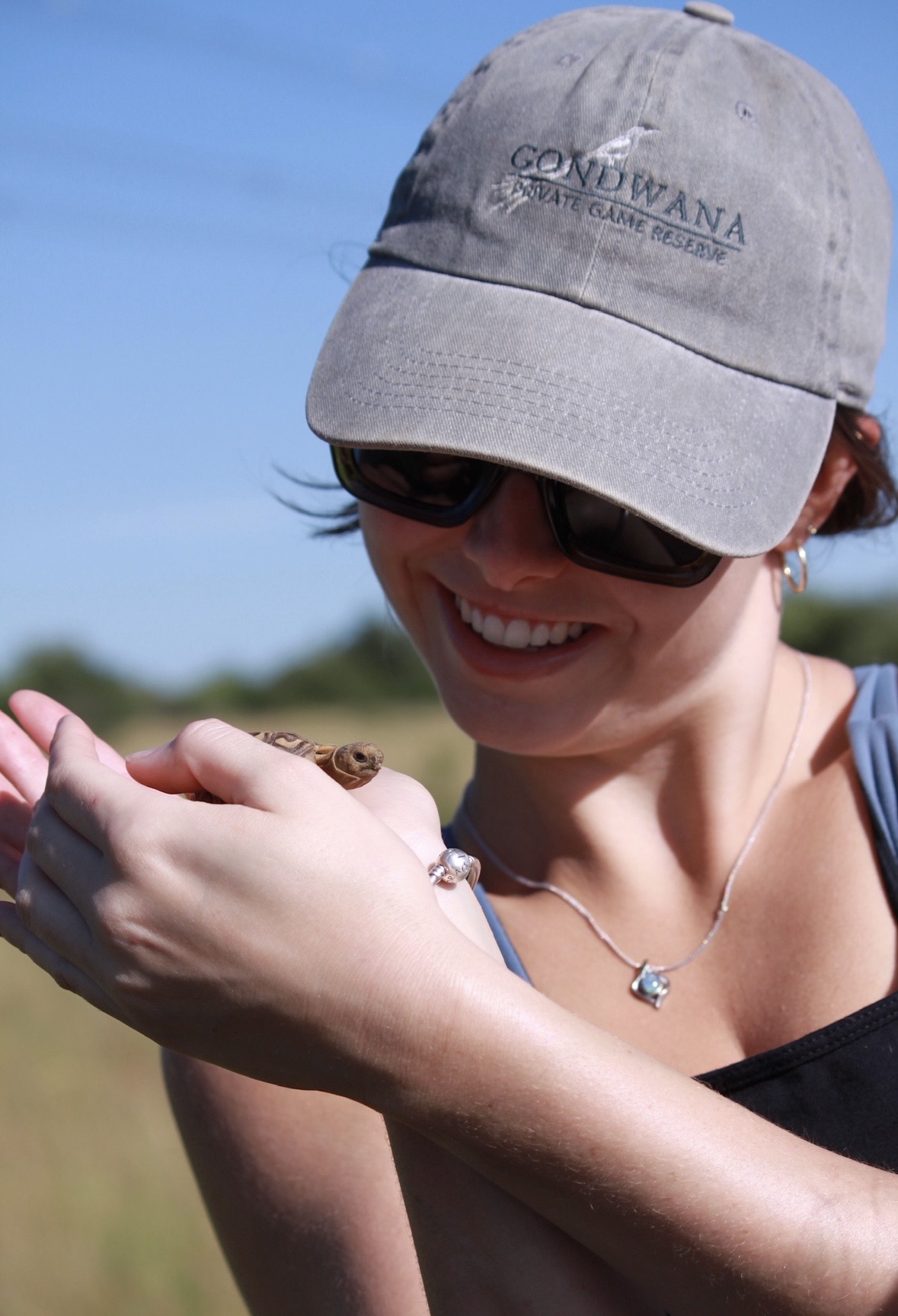
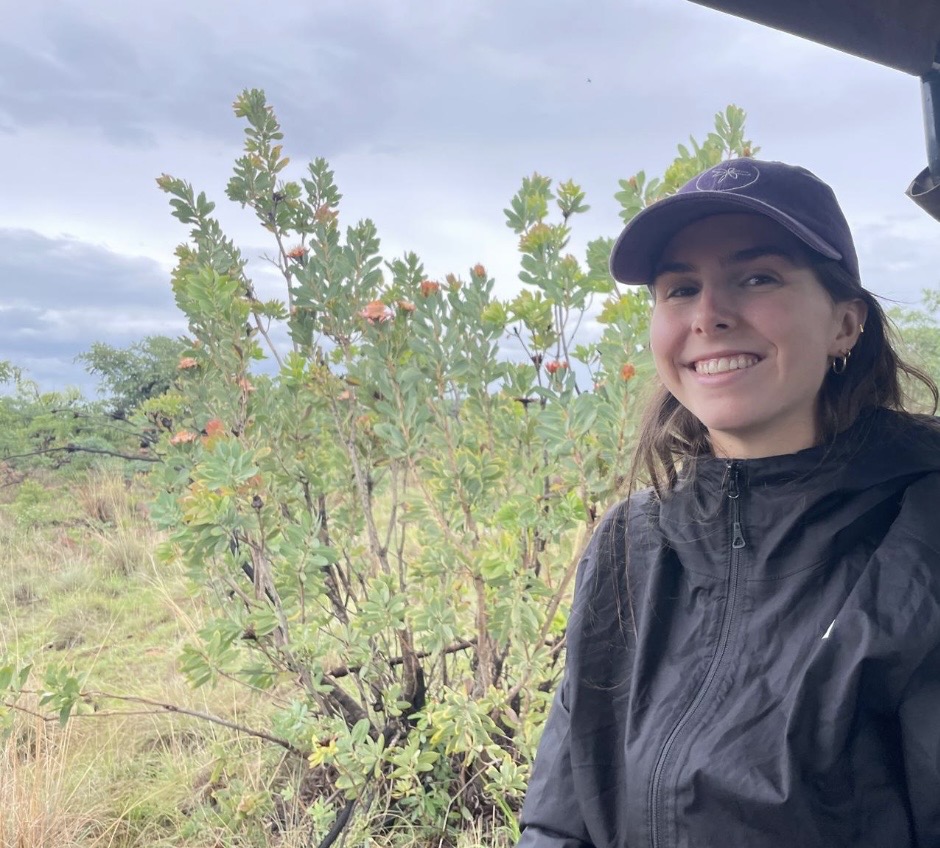
Over the past few months, Mariana and Sophia joined our work as interns, contributing to different areas while developing their own skills and perspectives. Their experiences were different, but both found opportunities to learn through practice, collaboration, and continuous exploration.
From research to accessible communication
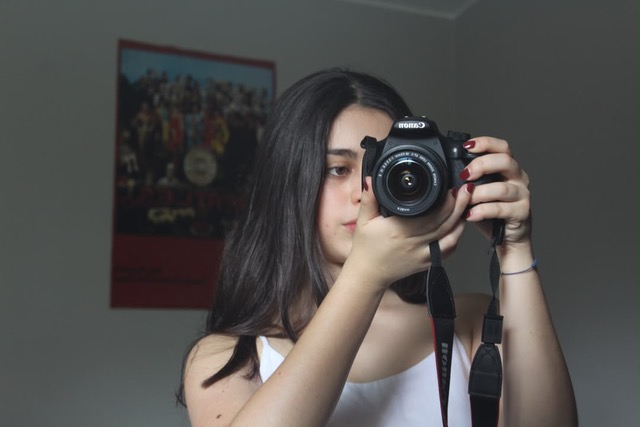
Mariana joined as a Digital Content Intern, supporting the development and publication of content across digital channels. Her work involved transforming technical reports, project materials, research, field information, and videos into content that could be understood by different audiences.
She contributed to several areas of the communications work, including the Mariculture campaign, Field Diaries from Belize, and content related to Nature-based Solutions. Some of these topics were new to her, requiring research not only to understand the subject, but also to determine what information would be most useful to communicate.
The Mariculture campaign became a particularly valuable learning experience. Mariana took the topic from initial research through to the development of the final content, while having the freedom to propose ideas and explore different ways of presenting the information.
As someone without a scientific background, this process helped her develop a skill that extends beyond science communication: working through large amounts of information, identifying the most relevant ideas, and finding ways to make them accessible to a specific audience.
During my internship at ITACA, I learned how to turn complex scientific information into clear and accessible content.
Mariana
The experience also gave her a closer look at the role communication can play in climate action. Scientific knowledge can inform decisions and solutions, but its value also depends on how effectively it can be understood, shared, and connected to different contexts.
Applying knowledge to new professional challenges
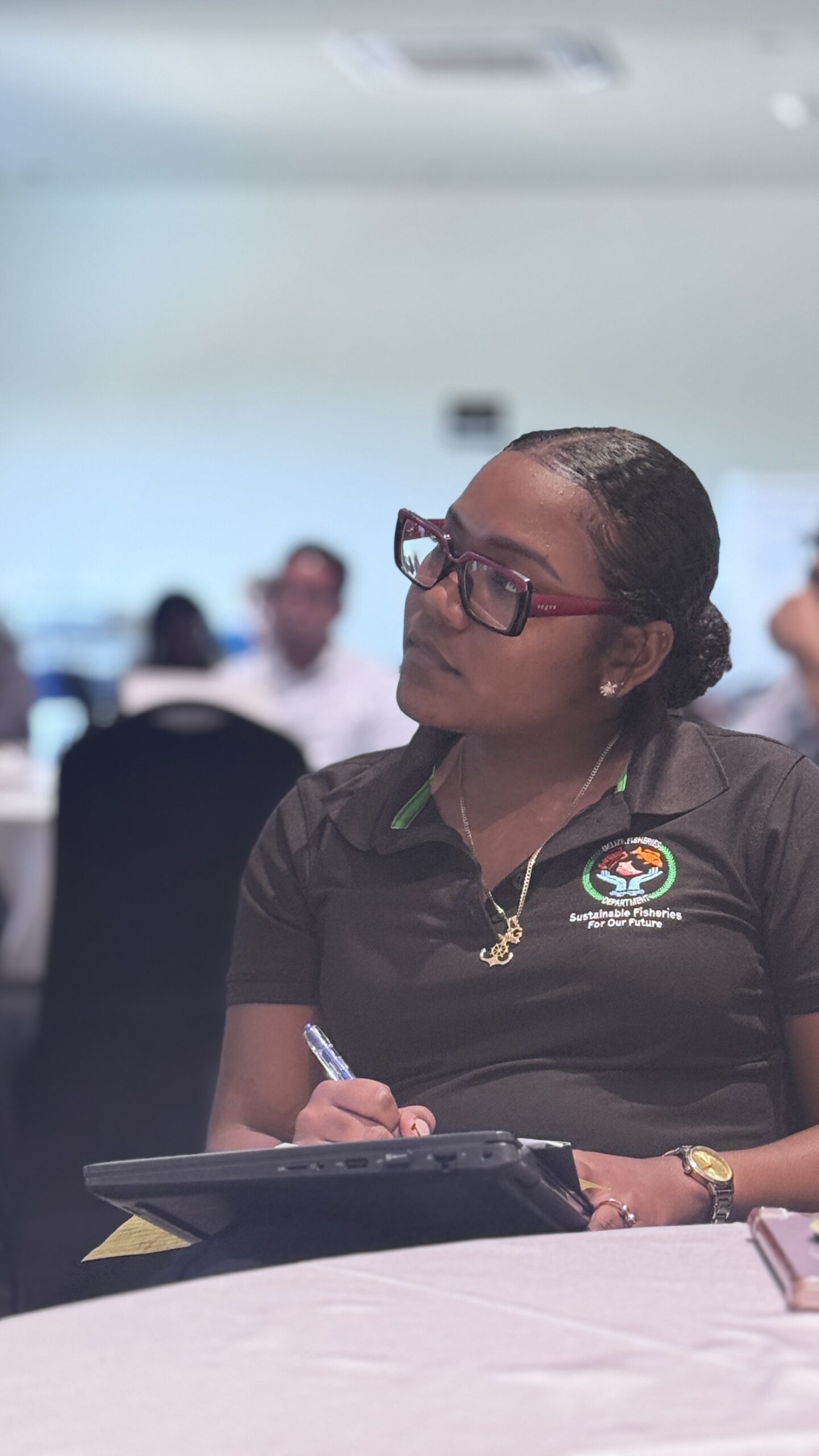
Sophia’s internship focused on impact measurement, giving her the opportunity to apply academic knowledge to a practical organizational process. She worked on developing and refining an Impact Measurement Framework and explored how measurement can support strategic decision-making.
One of the most significant parts of this work was collaborating with Laura Canevari and Karla Gutierrez to develop a Theory of Change. The process helped connect strategic direction with the questions that an impact measurement framework needs to address, while also giving Sophia an opportunity to engage with the wider purpose behind the work.
The experience highlighted another dimension of professional learning: understanding that practical work rarely follows the same structure as an academic assignment. Projects evolve, questions emerge along the way, and solutions often require collaboration across different areas of expertise.
Sophia also participated in productivity workshops focused on accountability and independent working. As a recent graduate, developing the ability to organize, prioritize, and take ownership of her work was an important transition from the structured environment of school and university to professional life.
The workshops helped teach me how to be accountable for my own productivity.
Sophia
These experiences complemented her technical work by developing skills that can shape how she approaches future professional challenges.
Learning through collaboration
Professional development also happens through interaction with people who bring different experiences and ways of thinking to the same work.
For Mariana, working within an international team provided exposure to projects, perspectives, and areas of expertise beyond her immediate communications responsibilities. It helped her see how climate-related work can bring together scientific knowledge, communication, local experience, and different professional disciplines.
For Sophia, collaboration was particularly evident in the development of the Theory of Change. Working with colleagues to understand strategic priorities showed how different perspectives can contribute to defining what an organization should measure and why.
These experiences point to an important aspect of learning in climate action: knowledge is not developed or applied in isolation. Working across disciplines and learning from different perspectives can help emerging professionals understand both the complexity of climate challenges and the range of skills needed to address them.
Continuous learning as part of climate action
The experiences of Mariana and Sophia highlight different dimensions of learning, from science communication and research to impact measurement, productivity, collaboration, and strategic thinking.
They also point to a broader lesson: learning does not stop when formal education ends.
Climate action is a constantly evolving field. New research, technologies, approaches, financing mechanisms, policy frameworks, and local experiences continue to shape how climate challenges are understood and addressed. Professionals working in this space therefore need opportunities to keep developing their knowledge while learning how to apply it in practical settings.
For emerging professionals, internships can provide an important bridge between academic learning and professional practice. They create space to test knowledge, encounter unfamiliar challenges, receive feedback, and develop skills that may not be fully acquired through formal education alone.
But the exchange goes both ways. Bringing emerging professionals into a working environment also creates opportunities for teams to encounter new questions, ideas, and approaches.
In climate action, this exchange matters. Addressing complex environmental and social challenges requires scientific and technical expertise, but also communication, collaboration, creativity, critical thinking, and an understanding of local contexts.
Mariana’s experience reinforced the value of making knowledge accessible, while Sophia’s connected academic learning with practical tools and new professional skills. Their paths were different, but both demonstrate how learning through practice can help develop the knowledge, capabilities, and perspectives needed to contribute to climate action.
Learning is therefore not simply preparation for future work. It is part of how the climate action community continues to grow, adapt, and strengthen its capacity to respond to complex challenges.
Related posts
0
Climate change
Learning Through Practice: Reflections from Two Interns in Climate Action
Posted on
Caribbean Coast Solutions
Coastal Adaptation in Practice: Lessons from Across the Caribbean
Posted on
Climate change
The Translator in the Room: What Strategic Science Communication Really Looks Like from the Inside
Posted on
Blue carbon
Kickstarting Blue Carbon: Why Timing and Community Matter
Posted on
Climate change
Mental Health and Climate Change in Caribbean Small Island Developing States (SIDS)
Posted on
Climate change
Bridging Conversations: Reflections from Europe’s Climate and Ocean Forums
Posted on
Previous
Next
sign up our newsletter
ITACA Solutions is a technical services provider focused on implementing climate adaptation in coastal areas in the Caribbean. Sign up to our mailing list to receive our newsletter with updates about our work, publications, activities and events.
Stay connected with ITACA
Get the latest insights, resources, and updates on climate adaptation across the Caribbean, delivered to your inbox.